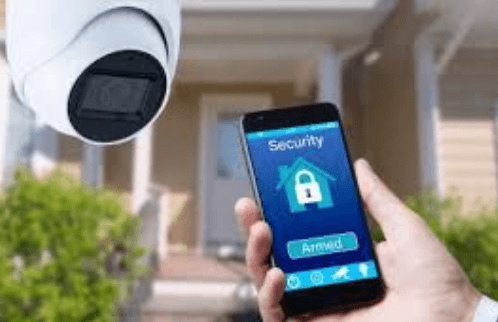
Smart devices translate user intent into proactive routines through sensors, actuators, and reliable connectivity. They monitor conditions, adapt in real time, and optimize climate, lighting, and security with centralized control. Modular expansion multiplies capabilities without compromising privacy, while interoperable ecosystems reduce vendor lock-in. Clear zoning and strong security support scalable integration and resilience. The result is higher comfort and efficiency with less manual intervention, but there remain decisions about device compatibility and privacy that warrant careful consideration.
What Smart Devices Do for Home Automation
Smart devices are the building blocks of home automation, providing sensors, actuators, and connectivity that enable automated control and data collection. They translate user intent into actionable routines, monitor environmental conditions, and optimize system responses.
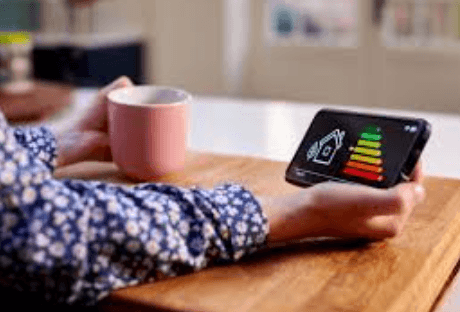
Smart thermostats exemplify centralized climate management, while energy awareness features reveal consumption patterns, enabling informed decisions.
This framework supports modular expansion and autonomy, preserving user freedom and privacy.
How Automation Builds Comfort and Efficiency
Automation builds comfort and efficiency by translating environmental signals into proactive adjustments that reduce manual effort and conserve resources. The approach emphasizes consistent comfort targets and measurable performance, turning sensor data into calibrated actions. It enables rapid adaptation without user micromanagement, supporting energy monitoring and occupancy-aware scheduling. This discipline aligns system behavior with user expectations while preserving autonomy and resource awareness, minimizing waste.
Choosing the Right Smart Devices for Your Home
Choosing the right smart devices for a home involves aligning hardware capabilities with actual needs, budgets, and existing infrastructure.
The selection should emphasize device compatibility across ecosystems, robust energy labeling, and scalable integration.
Consider privacy concerns, data governance, and security posture.
Scene customization enables tailored automation, while interoperability reduces vendor lock-in and supports future expansion without compromising performance.
Practical Setups and Troubleshooting Tips
Practical setups hinge on clear zoning of responsibilities, tested wiring and power budgets, and disciplined network segmentation to minimize fault domains. The guidance emphasizes repeatable configurations, documented defaults, and proactive monitoring.
Troubleshooting favors deterministic diagnostics and reproducible tests.
Recognize setup myths, resist overengineering, and balance features with budget tradeoffs, ensuring interoperability while preserving user autonomy and system resilience.
Frequently Asked Questions
How Secure Are Smart Devices From Hacking Attempts?
Smart device hacking remains a significant risk; security varies by device and vendor. Privacy invasion can occur via weak updates and insecure networks. The detached assessment notes strong measures, like encryption and regular patches, reduce exposure but cannot eliminate residual threats.
Do Smart Devices Invade Personal Privacy at Home?
One study notes 43% of households report privacy concerns, and smart devices often collect data continuously. These devices do invade personal privacy at home through data collection, raising ongoing privacy concerns about profiling, listening, and behavioral insights.
Can Non-Tech-Savvy Users Still Set up Automation Easily?
Non-tech-savvy users can achieve automation through easy setup and beginner guidance, as devices prioritize intuitive apps, clear prompts, and guided workflows. The approach balances autonomy and simplicity, delivering practical control while preserving user freedom and privacy.
See also: How Cryptocurrency Supports Digital Ownership
What Is the Long-Term Cost of Device Subscriptions?
Symbolism threads a clock through circuitry: the long-term cost of device subscriptions hinges on ongoing maintenance and unforeseen upgrades. The analysis notes long term maintenance burdens and subscription fatigue, stressing freedom-seeking users weigh total ownership versus ongoing fees.
How Do Smart Devices Impact Energy Consumption Over Time?
Smart devices can reduce or shift energy use over time, though effects vary; energy analytics reveal patterns, enabling efficiency gains. Device maintenance ensures sensors and schedules remain accurate, preventing drift and unnecessary consumption while supporting autonomous, freedom-oriented energy optimization.
Conclusion
In the end, the home’s quiet routines mirror chance—an unexpected alignment of sensors, schedules, and silence. When climate, lighting, and security respond as if by instinct, the resident notices less noise and more possibility. Smart devices quietly converge on efficiency, yet remain tethered to human intention: privacy preserved, updates and expansions eased, and systems resilient as needed. The coincidence is simple: thoughtful design meets lived experience, turning automation into a dependable backdrop for daily life.