Smart devices raise the perceived and actual risk of intrusion through pervasive sensing and rapid, automated responses. They deter break-ins by increasing the likelihood of detection and the speed of alerts. Real-time notifications enable swift threat assessment and action, while low latency preserves situational awareness. A careful evaluation of cameras, locks, and hubs ensures reliable coverage and strong access controls. Privacy-preserving defaults and transparent policies balance protection with user autonomy, inviting further consideration of practical, resilient setups.
What Smart Devices Do to Deter Break-ins
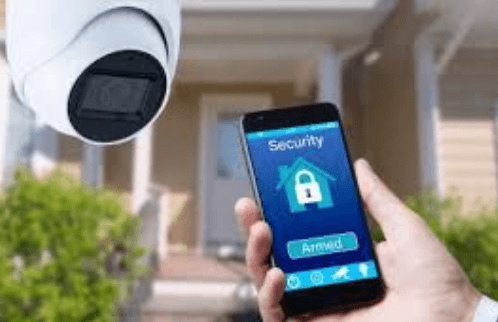
Smart devices deter break-ins by increasing the perceived and actual risk for intruders. Data shows motion detection expands surveillance coverage, activates alerts, and supports rapid response, lowering successful-entry probability. Tamper alerts further constrain risk by signaling interference or device manipulation.
Aim is freedom through proactive protection, clear metrics, and scalable solutions that deter threats without sacrificing privacy or usability.
How Real-Time Alerts Keep You Connected
Real-time alerts transform security monitoring into timely, actionable information. Data shows reduced response times when systems prioritize low real time alert latency and rapid incident triage. Notifications support risk assessment and decisive action, with notification customization aligning alerts to user preferences and household routines. This approach preserves autonomy while maintaining vigilance, enabling informed choices without constant monitoring burden.
Evaluating Your System: Cameras, Locks, and Hubs
As households move from understanding real-time alerts to analyzing hardware, a structured evaluation of cameras, locks, and hubs becomes foundational to security.
The assessment emphasizes security cameras coverage, reliability, and tamper-resistance, alongside smart locks’ access controls and physical integrity.
Consider privacy tradeoffs, data encryption, vendor updates, and incident response readiness to balance freedom with quantified risk reduction.
Building a Practical, Privacy-Respecting Setup
How can a household balance usability with privacy to create an effective security posture? A practical setup prioritizes privacy by design and data minimization, aligning system capabilities with user autonomy.
Risk-focused choices favor local processing, granular access, and auditable data flows.
Solutions emphasize measurable protections, minimal data retention, and transparent policies, enabling freedom while preserving resilience against threats and misuse.
See also: How Cryptocurrency Supports Digital Ownership
Frequently Asked Questions
Do Smart Devices Deter Criminals in All Neighborhoods?
Smart devices do not deter criminals in all neighborhoods; deterrence varies by risk perception, visibility, and local crime patterns. The neighborhood applicability depends on implementation quality, routine monitoring, and user responsiveness, with data guiding targeted, proportional security investments and risk mitigation.
How Reliable Are Smart Security Alerts During Power Outages?
Lightning-drawn charts show mixed performance: during power outages, reliability wanes unless backed by backups; false alarm reduction improves with hybrid sensors, battery-backed alerts, and offline microprocessors, offering a data-driven, risk-focused pathway toward freedom from disruptive false alarms.
Can I Customize Alerts to Avoid False Alarms?
Yes, customizable alerts are available, enabling threshold and event-type control to reduce nuisance notifications. This data-driven approach supports false alarm reduction while preserving timely warnings, appealing to freedom-seeking users who value risk-informed, configurable security without constant oversight.
What Are the Ongoing Costs of Smart Security Systems?
A cautious traveler charting a clear path, ongoing costs include ongoing maintenance and subscription fees. Data shows total ownership varies by provider; risk-focused budgeting suggests planning for hardware refreshes, app updates, and professional monitoring when freedom hinges on reliable protection.
How Secure Are Smart Devices From Hacking Attempts?
Smart devices face security vulnerabilities from weak protocols and supply-chain flaws, risking data privacy breaches; nonetheless, risk is mitigated by strong encryption, regular updates, and network segmentation, enabling freedom-seeking users to reduce exposure while maintaining convenient, data-driven protections.
Conclusion
In a village of doors and eyes, the security grid behaves like a vigilant orchestra. Each device plays a note of deterrence, real-time alerts, and audit trails, composing a risk map that weighs intruder intent against response speed. When cameras watch, locks respond, and hubs coordinate, the threat becomes a parable of prudent restraint—data minimization guiding choices, transparency sharpening trust. The ensemble thrives on privacy-respecting defaults, turning potential breaches into manageable, solvable risks.